What is Land Clearing and how does it work?
Land clearing is the process of removing trees, brush, stumps, and debris from a property to prepare it for construction, landscaping, or other uses. In Mobile, this often involves dealing with dense vegetation, wetlands, or uneven terrain. A professional crew uses equipment like bulldozers, excavators, and mulchers to clear the land efficiently and safely.
Mobile's humid climate means vegetation grows fast and thick. Kudzu, pine trees, and palmetto bushes can take over a lot quickly, especially if it's been left alone for a few years. Land clearing isn't just about cutting things down; it's about making sure the roots, stumps, and leftover debris don't cause problems later.
Some properties in Mobile have wetlands or protected species, which adds another layer to the process. You might need permits or environmental assessments before starting. A good land clearing company will know the local rules and help you navigate them.
The goal isn't just a blank slate. Proper land clearing considers drainage, soil stability, and future use. If you're planning to build, you don't want stumps rotting underground or water pooling where your foundation will go. A thorough job addresses these issues from the start.
How Land Clearing works, step by step
Land clearing starts with a site assessment, followed by permitting (if needed), then actual clearing, debris removal, and final grading. In Mobile, the process often includes dealing with wetlands, dense undergrowth, or uneven terrain, which can add steps like erosion control or specialized equipment.
First, a crew walks the property to mark what stays and what goes. They'll look for protected trees, utility lines, or drainage issues. In Mobile, you might have live oaks that can't be touched without a permit, or soggy ground that needs extra attention.
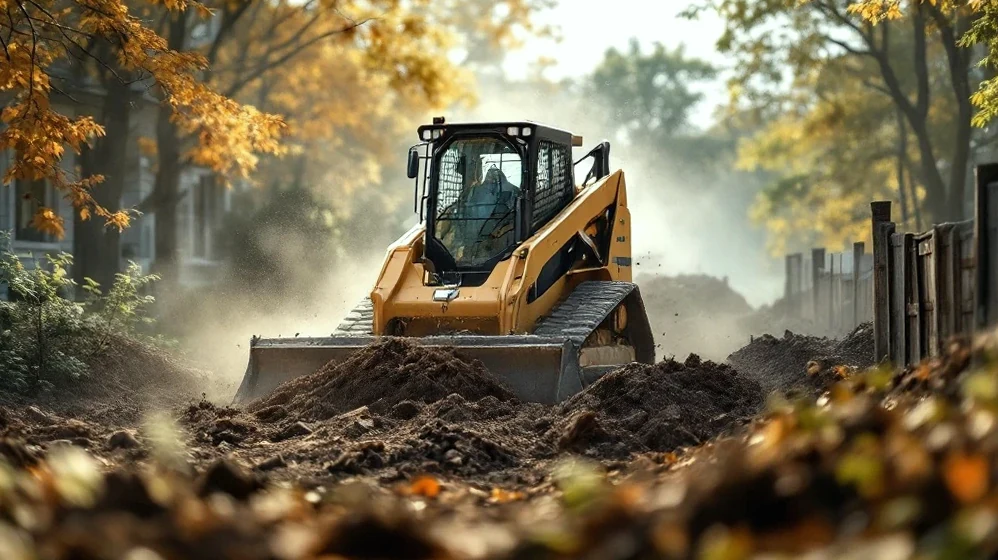
Next, heavy equipment moves in. For small lots, a skid-steer with a mulching head might do the job. Larger properties often need bulldozers or excavators to tackle thick brush and big stumps. Wet areas might require tracked machines to avoid getting stuck.
After clearing, debris gets hauled off or mulched on-site. Some companies grind stumps into wood chips you can use for landscaping. Final grading ensures water drains away from future structures, which is critical in Mobile's heavy rains.
If the land slopes, erosion control measures like silt fences or straw mats might go in. These keep soil from washing into nearby creeks or roads, especially during summer storms.
Why Land Clearing matters for your home
Clearing land properly prevents future headaches like flooding, unstable soil, or invasive plants taking over. In Mobile, where heavy rains and fast-growing vegetation are common, skipping steps can mean costly fixes later.
A half-cleared lot might look fine at first, but leftover stumps can sprout new growth or attract termites. In Mobile's damp climate, rotting wood underground can also weaken the soil, leading to sinkholes or foundation issues down the road.
Drainage is another big one. If the land isn't graded right, water pools near your home's foundation or runs toward neighbors' properties. That's a quick way to end up with mold, mosquitoes, or even legal trouble.
Clearing also reduces fire risk. Dry brush and fallen branches are kindling during Mobile's occasional droughts. A clean property gives wildfires less fuel and keeps your home safer.
If you're selling, cleared land often appraises higher. Buyers want to see usable space, not a jungle they'll have to tackle themselves. Even if you're not building yet, maintaining cleared land is easier than reclaiming it later.
Common problems and what causes them
Homeowners often run into unexpected costs, permit delays, or regrowth because they didn't plan for Mobile's specific challenges. Wetlands, protected species, and dense vegetation can turn a simple job into a complex one if not handled right.
One of the biggest surprises is hitting water. Mobile's low-lying areas might look dry until you start digging, then suddenly you're dealing with a muddy mess. A pro checks soil conditions early to avoid this.
Permits can slow things down. Cutting down certain trees or working near wetlands might need approval from the city or even the Army Corps of Engineers. A local crew knows which areas are sensitive and how to file the right paperwork.
Regrowth happens fast here. If roots or seeds are left behind, you'll see new shoots in weeks. Some companies skip stump grinding to save money, but that just means more work later. It's worth doing it right the first time.
Cheap equipment can tear up the land. A bulldozer without the right tracks or blades might rip deep into the soil, leaving ruts that mess up drainage. Experienced operators know how to clear without destroying the ground underneath.
- Unexpected rocks or buried debris can damage equipment and add costs.
- Neighbors might complain about noise or dust if the crew isn't careful.
- Leaving piles of brush attracts snakes and rodents, always haul it away or mulch it.
Frequently Asked Questions
Do I need a permit to clear my land in Mobile?
It depends. Wetlands, protected trees like live oaks, or properties near water often require permits. The city or county can tell you for sure. A good land clearing company will handle this for you.
How long does land clearing take?
A small lot might take a day or two. Larger or heavily wooded properties can take a week or more, especially if there's stump grinding or grading involved. Wet weather can slow things down too.
Will clearing my land hurt the soil?
Not if it's done right. Bad clearing can strip topsoil or compact the ground, but pros use techniques to minimize damage. Sometimes they even add mulch back to protect the soil.
Can I clear land myself?
For tiny jobs, maybe. But without the right equipment, you'll spend weeks on what a crew does in hours. Plus, handling big stumps or wet ground safely takes experience.
What happens to all the trees and brush?
Some gets hauled off, some mulched on-site. Many companies recycle wood into chips or lumber. If you want to keep firewood, ask ahead, they'll often stack it for you.
Does land clearing kill roots?
Only if stumps are ground out. Cutting trees leaves roots alive, which can sprout new growth. Grinding gets rid of them for good.
How do I know if my land has wetlands?
Look for standing water, certain plants like cattails, or soggy ground. A land clearing company or environmental consultant can confirm. Disturbing wetlands without permits brings big fines.
What's the best time of year to clear land?
Late summer or fall is ideal in Mobile. The ground is drier, and you avoid spring rains. But pros work year-round, just expect mud if it's wet.
Need land clearing in Mobile? Get a free estimate today.
📞 256-578-4385