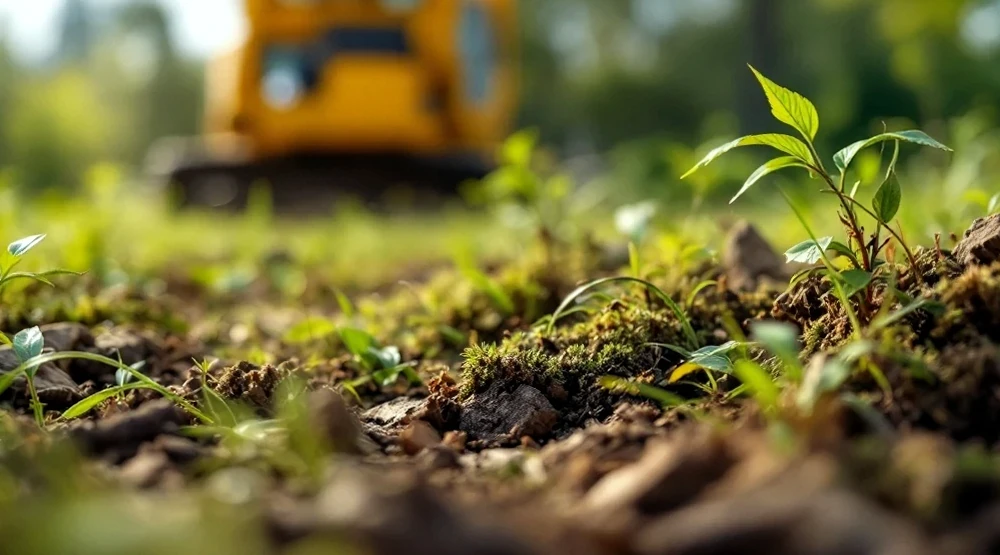
What are the signs you need land clearing?
You likely need land clearing if your property has thick overgrowth, fallen trees, invasive plants like kudzu, standing water, or debris piles. These issues block access, attract pests, and can damage structures. Mobile's humidity and storms make problems worse faster than in drier climates.
Thick overgrowth isn't just an eyesore. When bushes and vines start touching your house or shed, they hold moisture against the siding, which speeds up rot. Spanish moss might look pretty, but it's heavy when wet and can break tree limbs. If you can't walk through parts of your yard without a machete, it's time to call a pro.
Fallen trees are obvious, but don't ignore the small stuff. Piles of branches or palm fronds become snake habitats fast. A single storm can turn that pile into a projectile. If you're on the edge of Mobile near the bay, saltwater kills weak trees fast, leaving brittle trunks that snap in high winds.
Invasive plants like kudzu or Chinese tallow trees don't just crowd out native species. Their roots can crack foundations, and their weight pulls down fences. Kudzu grows a foot a day here in summer. If you see it on your land, act now, waiting even a month lets it spread beyond control.
Standing water after rain is normal, but if puddles stick around for days, you've got drainage issues. Mosquitoes breed in 48 hours, and Mobile's heat turns stagnant water into a health hazard fast. Low spots near the house can lead to basement flooding or termite problems.
The warning signs to watch for
Look for leaning trees, new standing water, sudden vine growth, animal burrows, or rustling noises in brush. These subtle signs often mean bigger problems are brewing. Mobile's clay soil and frequent storms make small issues escalate quickly.
A tree leaning more than 15 degrees is a ticking clock. Mobile's sandy soil near the coast lets roots give way suddenly. If you see fresh dirt at the base or cracks in the trunk, that tree could go in the next thunderstorm. Pines are especially risky, their shallow roots lift sidewalks when they fall.
New animal activity often means your land is becoming a habitat. Armadillo holes trip kids and pets. Snake skins near the house mean they're hunting rodents in your brush. If raccoons are getting into your trash, they're likely nesting in nearby overgrowth.
Listen for rustling in dense bushes. That's not always animals, it could be vines pulling down a fence or small trees rubbing against your roof. Camphor trees grow fast here and their branches wear through shingles fast. The sound of cracking wood means trouble's coming.
Check for vines climbing trees. English ivy might seem harmless, but it kills mature oaks by blocking sunlight. When the ivy dies in winter, all that dead weight stays in the canopy. Next hurricane season, those loaded branches are the first to snap.
- Mushrooms growing at the base of trees, a sign of internal rot
- Puddles that last more than 2 days after rain
- New ant hills or termite tubes on tree trunks
- Gaps under fence lines where animals dig through
What causes these problems in Mobile
Mobile's wet climate, clay soil, and invasive species create perfect conditions for land overgrowth. Hurricanes bring down weak trees, while humidity speeds up rot. Many homeowners underestimate how fast kudzu and water oak roots spread here.
Our 60+ inches of annual rain feed plants that would stay small elsewhere. Water oaks grow three feet a year here but only live 30 years. When they die, their soft wood rots fast, creating hollow trunks that collapse without warning. That's why so many Mobile properties have sudden tree failures.
Clay soil holds water like a sponge. When it's wet, roots can't anchor deep. When it dries, the ground cracks and shifts. This constant change destabilizes trees and makes drainage ditches collapse. If your yard stays soggy longer than your neighbor's, you likely have a clay pocket under the topsoil.
Hurricanes bring two problems at once. First, they knock down weak trees. Then, all that sunlight on newly cleared ground lets invasive species take over. Japanese climbing fern can cover an acre in one season after a storm. It's lighter than kudzu but just as destructive to native plants.
Many Mobile neighborhoods were built on old farmland where the soil's exhausted. Weak soil grows weak trees. If your property has lots of skinny, tall pines with no lower branches, they were probably overcrowded saplings when the developer planted them. These 'ladder trees' snap at mid-trunk in high winds.
What happens if you ignore the signs
Ignoring land clearing needs leads to property damage, pest infestations, and higher costs later. Rot spreads to structures, fallen trees crush roofs, and overgrowth becomes a fire hazard. Mobile's code enforcement fines homeowners for unsafe vegetation if neighbors complain.
That leaning water oak might not hit your house when it falls, but it could take out power lines. In Midtown, where lines run behind houses, you're responsible for the repair if the tree was on your property. The utility won't reconnect until you prove the rest of your trees are safe.
Overgrown lots become fire lanes in dry spells. Loblolly pine needles are like kindling, and wax myrtle bushes burn hot. The Mobile Fire Department can order emergency clearing if they deem your property a risk. You'll pay triple for rush service compared to planning ahead.
Termites swarm here from February to November. They start in rotten stumps or old wood piles, then move to your house. By the time you see winged ones inside, they've likely been breeding in your yard for years. Clearing their food sources is step one in any treatment plan.
Code enforcement tickets start small but add up fast. If vines grow onto sidewalks or block street views, the city gives you 10 days to clear them. After that, it's $100 a day until it's fixed. They don't care if the kudzu came from a vacant lot, it's your problem once it crosses your line.
Common questions about land clearing warning signs
Frequently Asked Questions
How often should I check my land for clearing needs?
Walk the full property line every month from April to October. Mobile's growing season is relentless, a vine that's manageable in May can strangle a tree by July. After storms, check for hanging branches or new water flow patterns.
Can I clear land myself to save money?
For small jobs like brush piles, yes. But Mobile's heat and venomous snakes make DIY risky. Chippers and stump grinders rent for $200 a day, and one mistake can mean hospital bills. Pros carry insurance for property damage, which matters when working near fences and power lines.
Will clearing my land make flooding worse?
Only if done wrong. A good crew regrades the soil to direct water away from structures. They'll leave strategic trees to absorb runoff. The real flood risk comes from doing nothing, clogged drainage ditches push water toward your foundation.
What's the best time of year for land clearing in Mobile?
Late fall through early spring. The ground's firmer for equipment, and snakes are less active. Summer clearing spreads weed seeds faster and risks heat stroke. Just avoid rainy weeks, clay soil turns to pudding when wet, ruts your yard, and delays debris hauling.
How do I know if a tree is dangerous or just ugly?
Look for cracks in the trunk, mushrooms at the base, or ants crawling in bark crevices. If more than 1/3 of the tree is dead branches, it's a hazard. Palms with brown crowns won't recover. When in doubt, call an arborist, many in Mobile give free estimates.
What happens to all the cleared brush and trees?
Most crews chip small debris for mulch and haul large logs to recycling centers. Some Mobile companies burn permitted piles on-site if the property's big enough. Never let them bury debris, that creates sinkholes as the wood rots.
Will clearing my land lower my insurance?
Sometimes. Removing trees that could hit the house might qualify for a discount. But the main benefit is avoiding claims. Most policies won't cover damage from 'lack of maintenance' like a rotten tree you ignored falling on your roof.
What plants should I keep after clearing?
Southern magnolias, live oaks, and bald cypress handle storms well. Wax myrtles and yaupon holly make good natural screens. Avoid planting water oaks or Bradford pears, they're short-lived and messy. The Mobile Botanical Garden has free native plant lists.
How close can trees be to my house?
Keep limbs at least 10 feet from the roof to prevent damage and give fire crews access. Roots from big trees like oaks should be 20+ feet from foundations, they suck moisture from the soil and cause cracks. Palms can go closer since their roots grow straight down.
Can the city clear my overgrown lot if I don't?
Yes, but you'll pay dearly. Mobile gives 30 days' notice, then hires a contractor and adds 25% administrative fees to your property taxes. If they have to do it repeatedly, they can place a lien on your home. It's cheaper to handle it yourself on your schedule.
Need land clearing in Mobile? Get a free estimate today.
📞 256-578-4385