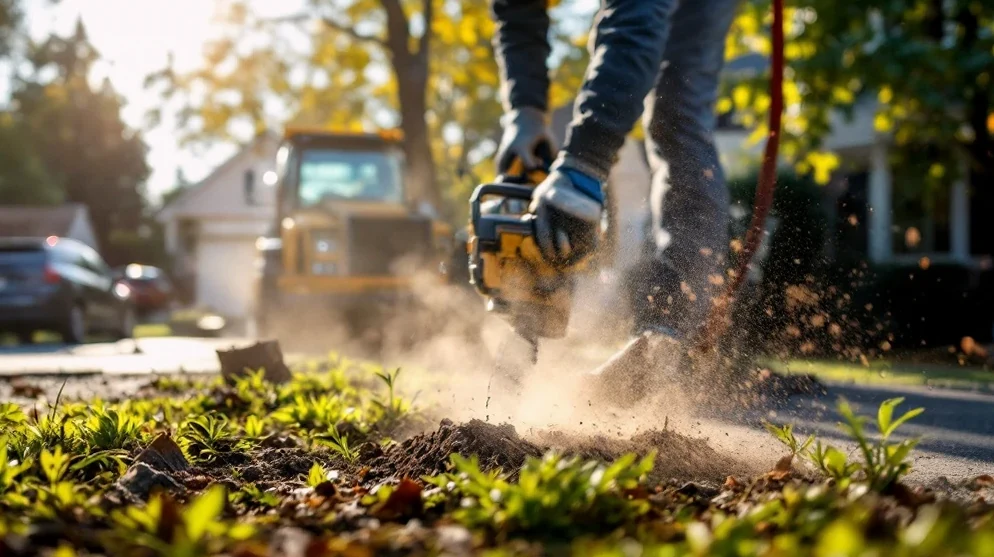
What is Right-of-Way Clearing and how does it work?
Right-of-way clearing removes trees, brush, and obstacles from utility corridors or public access paths near your property. In Mobile, this often means keeping power lines, drainage ditches, or road shoulders clear so crews can maintain infrastructure without damaging your land.
Right-of-way clearing isn't the same as general land clearing. It targets specific strips of land where utilities or the city have legal access, even if that land is on your property. In Mobile, you'll see this most often along power lines, gas pipelines, or drainage easements where overgrowth could block maintenance crews.
The work typically involves cutting back trees to a safe height, removing invasive vines like kudzu, and clearing brush that could hide hazards. Some jobs require stump grinding if roots threaten underground pipes, but most leave stumps unless they're in the direct path of equipment.
Mobile's wet climate means right-of-way clearing often includes dealing with waterlogged soil. Crews might use tracked equipment instead of wheeled machines to avoid ruts in soft ground, especially near drainage ditches or in low-lying areas like around Dog River.
Homeowners don't always realize they're responsible for keeping these areas clear. If you get a notice from Alabama Power or the city about overgrown vegetation, it's usually cheaper to hire a local crew than wait for them to bill you for forced clearing.
How Right-of-Way Clearing works, step by step
Professional right-of-way clearing starts with marking boundaries, then removes hazards methodically to avoid damage to utilities or your property. Here's how Mobile crews handle a typical job.
First, someone locates the exact edges of the easement. In older Mobile neighborhoods like Midtown, property lines and utility markers can be vague. Crews check with the city or utility companies to spray-paint boundaries before cutting anything. This prevents accidentally removing trees you meant to keep.
Next comes hazard identification. Workers scan for hidden dangers like old well caps, buried cables, or unstable trees leaning toward power lines. Around Theodore or Irvington, they're especially careful with sandy soil that can make heavy equipment sink unexpectedly.
Clearing follows a priority system. Trees touching power lines go first, then low-hanging branches that could grow into lines. Brush gets chipped on-site if there's space, but in tight areas like along Cottage Hill Road, it's often hauled away to avoid blocking traffic.
The final step is often the most overlooked: erosion control. Mobile's heavy rains can wash away exposed dirt quickly. Good crews lay down straw mats or seed bare spots, particularly near drainage easements where runoff flows toward neighborhoods like Spring Hill.
- Boundary marking with utility companies
- Hazard inspection for buried lines or unstable trees
- Selective cutting (not clear-cutting)
- Stump treatment to prevent regrowth
- Debris removal or chipping
- Erosion control for Mobile's rainy seasons
Why Right-of-Way Clearing matters for your home
Uncleared right-of-ways cause power outages, flooding, and even legal trouble in Mobile. Regular maintenance protects your property value and keeps utilities running safely.
Overgrown easements invite trouble during storms. Hurricane Sally proved how falling limbs on power lines can leave whole blocks dark for weeks. Keeping trees trimmed back from lines reduces outage risks in neighborhoods like Dauphin Island Parkway.
Blocked drainage ditches flood yards fast. Mobile gets 60+ inches of rain yearly, and clogged right-of-ways turn minor storms into backyard ponds. Proper clearing keeps water moving in low areas like around Three Mile Creek.
There's a legal angle too. If your overgrown vegetation forces the city or utility to clear it, you'll get billed at their rates, no negotiation. One Tillman's Corner homeowner paid triple what a local crew would've charged because they ignored multiple notices.
Property value takes a hit when buyers see neglected easements. A well-maintained right-of-way signals you care about the whole property, not just the house. This matters in historic districts like Oakleigh where tree health affects neighborhood appeal.
Common problems and what causes them
Homeowners often misunderstand boundaries, timing, or regrowth patterns with right-of-way clearing. Here's what goes wrong most in Mobile.
Assuming the utility company handles everything is a costly mistake. While Alabama Power maintains major transmission lines, homeowners usually maintain the smaller distribution lines running to houses. That last 50 feet of your easement is likely your responsibility.
Waiting until vegetation touches power lines creates emergencies. Mobile's growing season means trees can shoot up 10 feet in a year. Proactive trimming every 2-3 years prevents last-minute scrambling when the utility sends a threat to disconnect service.
Stump sprouting plagues quick-and-dirty jobs. Hack down a water oak without treating the stump, and you'll have a thicket of fast-growing shoots by next summer. Proper crews either grind stumps or apply herbicide to prevent regrowth in sensitive areas.
Erosion surprises people who clear too aggressively. Stripping all vegetation from a slope near Dog River can lead to mudslides during heavy rains. The best plans leave some root systems intact or add stabilization measures immediately after clearing.
Frequently Asked Questions
Who decides when my right-of-way needs clearing?
Utility companies inspect regularly and will notify you if vegetation threatens their lines. For drainage easements, the city typically checks after heavy rains or before hurricane season. You can request inspections if you notice overgrowth first.
Can I clear the right-of-way myself?
You can for small jobs, but working near power lines requires certified training. Mobile requires permits for mechanical clearing in some flood zones. Most homeowners hire pros for anything beyond hand-trimming small bushes.
What happens if I ignore a clearing notice?
The utility or city will clear it themselves and bill you at their rates, often 2-3 times what a local contractor charges. Repeated violations can lead to liens on your property.
How often should right-of-way clearing be done?
Every 2-3 years for most Mobile properties. Fast-growing species like sweetgum or river birch may need attention sooner, especially near power lines in wet areas like Eight Mile.
Will clearing make my property flood more?
Not if done correctly. Good crews leave some ground cover and shape ditches to direct water flow. Problems only arise when all vegetation is stripped without erosion controls.
Do I own the trees in the right-of-way?
Yes, but you can't prevent their removal if they interfere with utilities. You're also liable if they damage utility equipment. Some cities require permits to plant new trees in easements.
What time of year is best for clearing?
Late fall through early spring avoids nesting seasons and extreme heat. However, emergency clearing happens year-round when hazards appear.
Can I replant after clearing?
With restrictions. Low-growing shrubs are usually fine, but trees must stay outside the easement's vertical space. Your utility company provides species guidelines to avoid future conflicts.
Need land clearing in Mobile? Get a free estimate today.
📞 256-578-4385