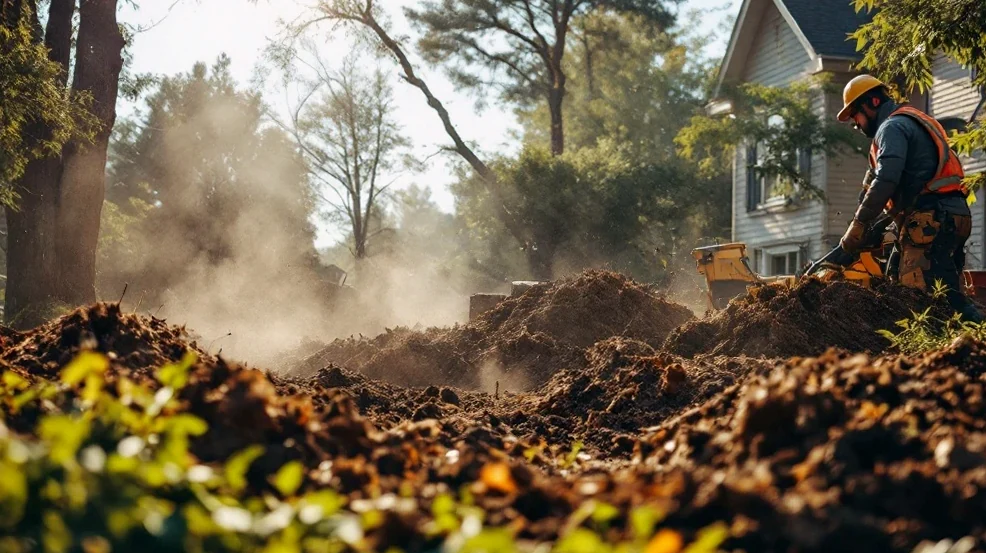
What is Land Clearing and how does it work?
Land clearing is the process of removing trees, brush, stumps, and debris from a property to prepare it for construction, landscaping, or other uses. In Mobile, this often means dealing with dense vegetation, sandy soil, and occasional wetlands. It involves cutting, grinding, hauling, and sometimes burning or chemical treatments.
Mobile's humid climate means vegetation grows fast and thick. You're not just dealing with pine trees; kudzu, saw palmetto, and dense underbrush can take over a lot quickly. Clearing isn't just about cutting things down. It's about making sure the land is truly ready for what comes next, whether that's building a house, putting in a driveway, or just making the yard usable.
The process starts with an assessment. A good crew will walk the property to identify what needs to go and what can stay. They'll look for protected species, wetlands, or other environmental concerns. In Mobile County, there are rules about disturbing certain areas, especially near waterways. Skipping this step can lead to fines or delays.
After the assessment, the actual clearing begins. Heavy equipment like bulldozers, excavators, and stump grinders come in. The goal isn't just to knock everything down but to remove it completely. Leaving stumps or large roots can cause problems later when you try to build or grade the land. A clean slate matters.
Finally, debris has to go somewhere. In Mobile, some companies chip the wood for mulch or haul it to a disposal site. Burning is an option in some cases, but local burn bans and air quality rules can limit that. The best crews leave the property clean and ready for the next step, whether that's grading, seeding, or construction.
How Land Clearing works, step by step
Land clearing in Mobile follows a clear sequence: assessment, permitting, vegetation removal, stump grinding, debris hauling, and final grading. Each step ensures the land is properly prepared for its next use, whether that's building, farming, or just tidying up.
First, someone has to walk the property. They're looking for more than just trees. Underground utilities, property lines, and protected areas all matter. In Mobile, you might have a patch of wetlands or a stand of longleaf pines that can't be touched without permission. Missing these details can turn a simple job into a legal headache.
Once the plan is set, the heavy equipment rolls in. A bulldozer with a brush rake can clear small trees and undergrowth fast. For bigger trees, a feller buncher cuts and stacks them in one motion. Stumps get ground down below grade so they won't interfere with future work. This isn't a job for a weekend warrior with a chainsaw; the equipment makes it faster and safer.
After everything's down, the debris has to go. Some crews chip it on-site for mulch, which saves hauling costs. Others load it onto trucks and take it to a landfill or recycling center. In Mobile, burning is an option in rural areas, but the city has strict rules. A permit is usually required, and you can't burn during dry spells.
The last step is grading. Even if you're not building right away, smoothing out the land prevents erosion and standing water. Mobile's sandy soil can wash away fast in a heavy rain if it's not properly graded. A good crew will leave the property looking finished, not just cleared.
Why Land Clearing matters for your home
Proper land clearing prevents future problems like uneven settling, drainage issues, or unwanted regrowth. In Mobile, where storms and humidity are facts of life, doing it right the first time saves money and hassle down the road.
A half-cleared lot might look fine at first, but stumps and roots rot over time. That can cause the ground to sink unevenly, cracking driveways or foundations. In Mobile's sandy soil, the problem gets worse fast. A properly cleared lot won't have those surprises a few years later.
Drainage is another big concern. Mobile gets over 60 inches of rain a year. If the land isn't graded correctly after clearing, water can pool near your home's foundation or wash out a newly poured driveway. Good clearing includes planning for where the water will go.
Then there's regrowth. Kudzu and saw palmetto don't give up easily. If the roots aren't fully removed, they'll come back with a vengeance. A thorough clearing job includes treating the soil to prevent fast-growing weeds from taking over again. Otherwise, you're back to square one in a couple of years.
Finally, there's safety. Dead trees or overhanging limbs can fall during a storm. Clearing them out reduces the risk of damage to your home or cars. In a place like Mobile, where hurricanes and strong thunderstorms are common, that's not a small thing.
Common problems and what causes them
Homeowners often run into issues like hidden stumps, unexpected costs, or regrowth because they didn't plan for the full scope of land clearing. Knowing these pitfalls helps you avoid them.
One of the biggest surprises is finding stumps or roots that weren't fully removed. A crew might cut trees flush to the ground but skip grinding the stumps. Later, when you try to build or plant, those stumps get in the way. Always ask if stump grinding is included or if it's an extra charge.
Cost overruns happen when the job turns out to be bigger than expected. A lot that looks clear from the road might have dense brush further back. In Mobile, vines like kudzu can hide entire trees. A thorough initial assessment is the best way to avoid this, but some companies lowball estimates to get the job.
Regrowth is another headache. Some plants, like bamboo or wisteria, spread through underground runners. Clearing the visible part doesn't stop them from coming back. A good crew will either dig out the roots or use herbicides to prevent regrowth. Otherwise, you're just paying for temporary results.
Permits can also cause delays. In Mobile, clearing near wetlands or waterways often requires approval from the city or even the Army Corps of Engineers. A reputable company will handle this for you, but fly-by-night operators might skip it and leave you with the fines.
Frequently Asked Questions
How long does land clearing take?
For a typical residential lot in Mobile, clearing takes 1-3 days. Larger properties or those with dense vegetation might take a week. Weather can delay things, especially if the ground is too wet for heavy equipment.
Can I clear the land myself?
Small jobs might be DIY-friendly, but for anything over an acre or with large trees, hire a pro. The equipment needed, like bulldozers and stump grinders, is expensive to rent and dangerous if you're not trained.
Will clearing my land kill all the plants?
Not necessarily. You can choose selective clearing to keep certain trees or shrubs. Just be clear with the crew about what stays and what goes. Some plants, like oaks, are protected in Mobile unless they're a hazard.
What happens to all the trees and brush?
Most crews chip the smaller material for mulch or haul it away. Larger logs might be sold for lumber or firewood. In rural areas, burning is an option with a permit. Some companies recycle the debris, which can save on disposal costs.
Do I need a permit to clear my land in Mobile?
It depends on the size of the job and location. Clearing near wetlands, waterways, or protected areas usually requires a permit. A reputable clearing company will know the local rules and handle the paperwork for you.
How much does land clearing cost?
Prices vary widely based on the size of the lot, density of vegetation, and what's being removed. The only way to get an accurate estimate is to have a company assess your specific property. Get multiple quotes to compare.
Will clearing my land affect drainage?
It can. Removing trees and vegetation changes how water flows across the property. A good clearing job includes grading the land to direct water away from structures and prevent erosion. Don't skip this step.
What's the best time of year to clear land in Mobile?
Fall and winter are ideal because the ground is firmer and there's less vegetation. Spring and summer can be muddy, making it harder for equipment to operate. Avoid clearing during heavy rain or right after a storm.
Need land clearing in Mobile? Get a free estimate today.
📞 256-578-4385